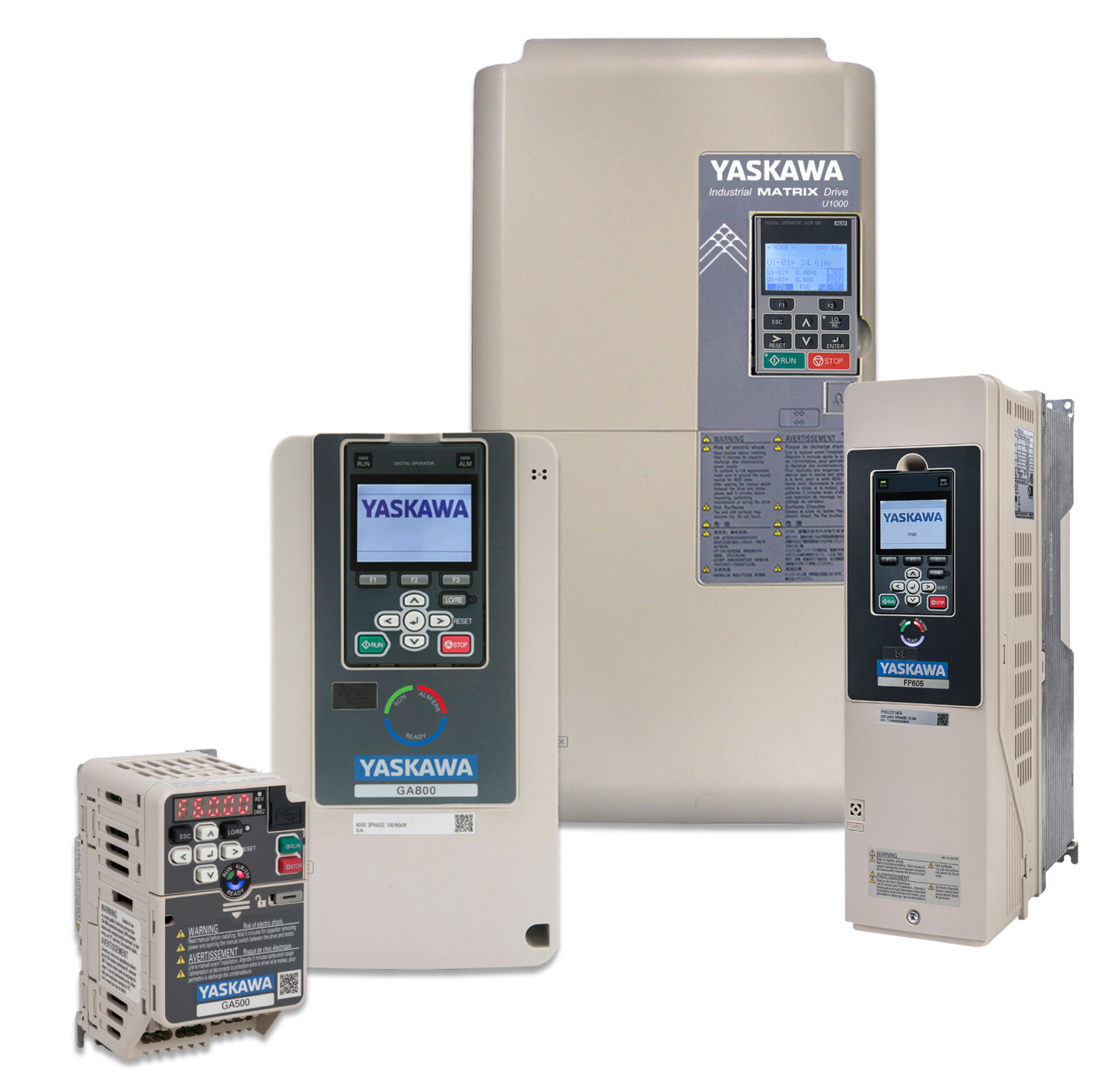
In the era of smart factories and energy-conscious automation, every watt matters. As industries move toward sustainability, technologies such as regenerative braking have become crucial to enhancing system performance and minimizing wasted energy. When combined with advanced servo motion systems, regenerative braking doesn’t just slow machines—it transforms energy recovery into a tool for smarter, more efficient operations.
At OnDrive Inc., we’ve been helping Ontario’s industries integrate intelligent motor control solutions since 1999. From regenerative braking system drives to Yaskawa-powered servo technologies, we provide reliable systems that keep automation running efficiently and sustainably.
Why Regenerative Braking Is Essential in Modern Automation
Traditional motor systems waste energy whenever they decelerate. In applications such as elevators, cranes, or conveyors, motors must frequently stop or change direction, converting kinetic energy into heat through braking resistors. This energy loss, multiplied across thousands of cycles, significantly impacts efficiency.
Regenerative braking addresses this issue by capturing the kinetic energy generated during deceleration and returning it to the power grid or the DC bus of the drive system. Instead of dissipating energy as heat, the system recycles it, providing immediate power for other loads or processes.
This process not only conserves energy but also lowers cooling requirements and extends component life, since less thermal stress is placed on braking resistors and drive hardware.
How Regenerative Drives and Servo Motion Control Work Together
Modern automation systems demand precision and responsiveness, especially in dynamic applications. Here, regenerative drives and servo motion controllers work hand in hand to deliver both control and efficiency.
A regenerative drive converts the motor’s braking energy into electrical energy during deceleration. Rather than dissipating it through resistors, the drive channels this energy back into the system’s electrical supply or redistributes it across other drives.
When paired with a servo controller, the system gains closed-loop feedback and precise motion regulation. The servo continuously monitors speed, torque, and position, allowing for real-time adjustments that ensure smooth acceleration, deceleration, and positioning.
Together, these systems deliver:
- Enhanced motion accuracy – maintaining exact speed and position control across variable loads.
- Reduced energy waste – by recycling kinetic energy instead of converting it into heat.
- Improved power factor – optimizing power use across the facility.
- Extended component lifespan – lowering stress on motors, brakes, and resistors.
By synchronizing regenerative drives with servo systems, facilities achieve the dual advantage of high-performance automation and responsible energy use.
Key Performance and Energy Benefits
The integration of regenerative braking systems into servo-driven environments brings measurable operational gains.
- Energy Efficiency and Cost Savings
Energy that would otherwise be wasted is reused, resulting in lower power consumption and reduced operating costs. Facilities with high braking frequencies—such as packaging, printing, or material handling—can achieve substantial savings over time.
- Thermal Management
By reducing the need for heat dissipation through resistors, regenerative systems decrease cooling loads. This allows drives to operate in tighter spaces without additional ventilation or heat shielding.
- Consistent Performance
Regenerative drives maintain energy efficiency and voltage stability during frequent braking, ensuring that servo-controlled systems deliver steady torque and speed across operations.
- Compact and Sustainable Design
Energy recovery reduces the size of external braking components, enabling more compact system layouts while meeting sustainability goals.
- Lower Maintenance Requirements
Fewer mechanical braking operations mean less wear and tear on components, such as brake pads and couplings, resulting in longer intervals between servicing.
In short, regenerative technology converts energy loss into a performance advantage, creating systems that are cleaner, quieter, and more resilient.
Real-World Industrial Applications
The combination of regenerative and servo control technologies is utilized across various industries where high precision and rapid cycling are crucial.
Examples include:
- Elevators and Escalators: Capturing braking energy during descent or deceleration reduces total power consumption while providing smoother operation.
- Cranes and Hoists: Regenerative braking allows energy recovery during lowering operations, improving safety and efficiency.
- Conveyor Systems: Continuous start-stop cycles benefit from regenerative drives that recycle braking power into the system.
- Robotics and Assembly Lines: Servo motion control paired with regenerative recovery ensures precise movement and energy reuse in repetitive operations.
- CNC Machines and Printing Presses: Tight synchronization of multiple axes requires both high control accuracy and stable voltage—delivered through regenerative servo setups.
These applications demonstrate how smart energy systems aren’t just about sustainability—they’re about smarter productivity. By capturing energy that would otherwise be lost, regenerative drives enable industries to meet their operational goals while reducing environmental impact.
Conclusion
In a world where efficiency defines competitiveness, technologies like regenerative braking and regenerative drives have become vital assets for advanced manufacturing. When paired with intelligent control systems, they transform energy waste into a resource, optimizing both performance and sustainability.
At OnDrive Inc., we specialize in designing and supplying advanced regenerative braking system solutions that integrate seamlessly into industrial automation. With our long-standing experience in Yaskawa motion control, we help clients implement energy-efficient strategies that elevate system performance.
By combining regenerative technology with a precision servo motion control system, we enable industries to operate smarter, cleaner, and more efficiently—powering the next generation of intelligent automation. For more details, contact us today!