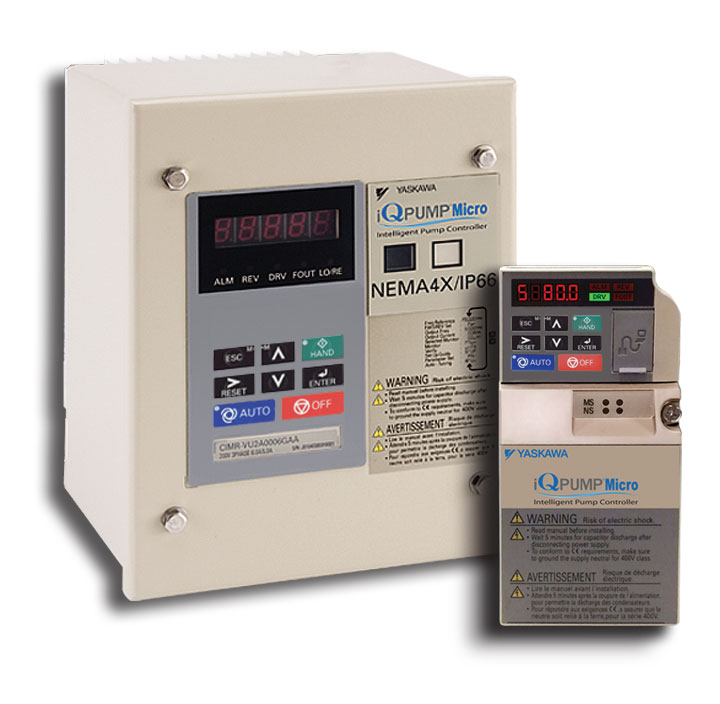
In many industrial systems, motors frequently decelerate loads during regular operation. Conveyors slow down, cranes lower loads, elevators descend, and test equipment cycles through controlled stops. Traditionally, the energy generated during these deceleration events is dissipated as heat, offering no operational benefit and placing additional thermal stress on system components.
This is where regenerative braking changes the equation. Instead of wasting energy, regenerative systems capture it and return it to the electrical supply. This approach improves overall energy efficiency, reduces heat generation, and enhances system stability. As energy costs rise and facilities pursue smarter power strategies, energy recovery has become an essential consideration in modern drive design.
OnDrive Inc. supports industrial energy recovery applications with engineered solutions designed for demanding environments. Understanding how regenerative technology works helps engineers determine when energy recovery provides measurable value.
How Regenerative Braking Systems Function
During deceleration, an electric motor transitions into generator mode. Mechanical energy from the moving load converts into electrical energy, which flows back toward the drive’s DC bus. In conventional systems, this excess energy raises bus voltage and must be dissipated through braking resistors.
A regenerative braking system manages this energy differently. Instead of converting it into heat, the system conditions and returns the electrical energy to the power supply. This requires specialized drive electronics capable of synchronizing regenerated power with the incoming grid.
Regenerative drives monitor voltage, current, and frequency in real time. When braking occurs, the drive directs energy through an active front end that converts DC power back into usable AC. This energy then flows upstream, where it can be consumed by other equipment or returned to the facility’s electrical system.
This process reduces voltage spikes, minimizes thermal buildup, and improves overall electrical stability. Unlike passive braking methods, regenerative systems actively manage power flow rather than simply absorbing excess energy.
Practical Benefits in Real Industrial Applications
The advantages of regenerative technology become most apparent in applications with frequent braking or high inertia loads.
Energy recovery during frequent deceleration
- Industrial systems such as elevators, cranes, hoists, conveyors, and test rigs generate energy every time a motor slows down.
- Regenerative systems capture this braking energy instead of dissipating it as heat.
- Recovered energy is reused within the facility or returned to the electrical supply, reducing overall power demand.
Lower overall energy consumption
- Facilities with cyclic motion see measurable reductions in electricity usage.
- Energy recovered during braking offsets power drawn during acceleration phases.
- This leads to improved energy efficiency without altering production output or cycle times.
Reduced heat generation in drive systems
- Traditional braking methods rely on resistors that convert excess energy into heat.
- Regenerative systems eliminate or significantly reduce the heat output from resistors.
- Lower thermal stress improves the reliability of drives, enclosures, and nearby components.
Improved electrical system stability
- Regenerative technology helps regulate DC bus voltage during braking events.
- This reduces overvoltage faults and nuisance drive trips.
- Stable voltage improves uptime and minimizes interruptions in continuous processes.
Extended equipment lifespan
- Lower operating temperatures reduce wear on electronic components.
- Motors, drives, and control panels experience less thermal cycling.
- Reduced mechanical stress during deceleration supports longer service intervals.
Smaller footprint and simplified panel design
- Reduced reliance on braking resistors lowers space requirements in control panels.
- Less need for external resistor banks and cooling hardware.
- Simplified layouts make installation and maintenance more efficient.
Operational advantages in high-inertia systems
- Applications with heavy rotating masses benefit most from energy recovery.
- Examples include centrifuges, winding systems, rolling mills, and vertical transport.
- Regenerative operation improves control without sacrificing stopping performance.
Better alignment with energy efficiency initiatives
- Energy recovery supports internal efficiency targets and sustainability programs.
- Facilities can reduce wasted energy without changing core processes.
- Regenerative systems provide measurable performance improvements that are easy to justify technically.
Improved system predictability
- Controlled energy flow results in consistent braking behaviour.
- Drives respond more reliably during repetitive start-stop cycles.
- This predictability supports stable production scheduling and reduced downtime.
Why Regenerative Drives Are Gaining Attention
Several factors are driving increased adoption of regenerative drives across industrial sectors. Rising energy costs make efficiency improvements more financially attractive. Facilities are increasingly aware that reducing wasted energy directly impacts operating budgets.
Sustainability goals also play a role. Many organizations aim to reduce overall energy consumption and improve power utilization without sacrificing performance. Regenerative systems align well with these objectives by maximizing the use of energy already generated within the process.
Advances in drive technology have made regenerative solutions more accessible. Improved power electronics, better control algorithms, and enhanced grid synchronization capabilities have increased reliability and simplified integration into existing systems.
In applications where braking events occur frequently, the return on investment becomes easier to justify. Facilities operating elevators, material-handling systems, or cyclic production equipment often see the most immediate benefits.
Regenerative systems also support a more stable electrical infrastructure. By reducing voltage fluctuations and actively managing power flow, they improve overall system reliability.
In a Nutshell
Industrial systems generate significant energy during deceleration, and traditional braking methods often waste that energy as heat. Regenerative technology provides a smarter alternative by capturing and reusing energy that would otherwise be lost. Through controlled energy recovery, regenerative systems improve efficiency, reduce thermal stress, and enhance power stability.
As industries continue to seek more efficient and sustainable solutions, regenerative technology is increasingly vital in drive system design. By implementing regenerative braking, facilities can turn unavoidable braking events into useful power. A properly engineered regenerative braking system allows operations to reduce energy waste while maintaining precise control. With continued adoption across motion-intensive applications, regenerative drives represent a practical and effective step toward smarter industrial power management.