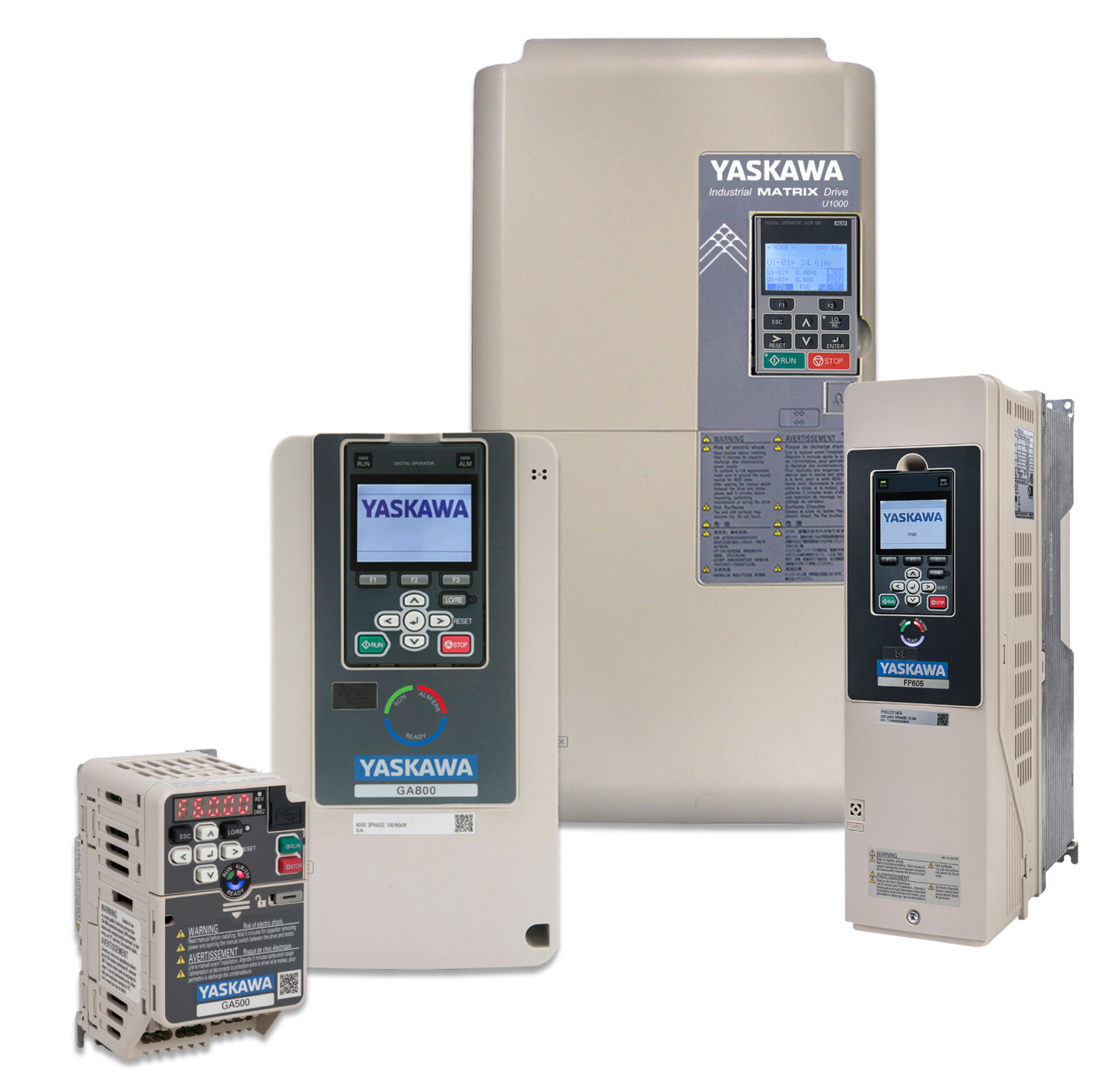
Across modern industrial facilities, energy efficiency is no longer just a sustainability goal—it’s an operational strategy. Plants are investing in smarter automation, variable-frequency drives (VFDs), and systems that reduce wasted power, especially in motion-intensive processes where stopping and slowing occur frequently.
That’s where regenerative braking is changing the game. Instead of wasting braking energy as heat, regenerative systems recover that energy and feed it back into the facility’s power system—helping reduce electrical draw, lower heat load, and improve overall drive performance.
For facilities looking to implement this technology, OnDrive Inc. supplies application-ready solutions through its regenerative braking system drives designed to improve efficiency without sacrificing control or safety.
Fundamentals of Regenerative Braking
To understand why this matters, think about what happens during standard braking.
In many motion systems—conveyors, hoists, elevators, automation cells—the motor isn’t always “driving forward.” Often, it slows down, holds back a moving load, or controls descent. In these conditions, the motor can act like a generator.
Regenerative braking is an energy-recovery mechanism that converts kinetic energy (motion) into usable electrical energy rather than dissipating it as heat.
This is widely discussed in electric vehicles, too: braking energy that would usually be lost is converted into electricity and stored or reused.
The same principle applies in industrial environments—just on a different scale and with other equipment.
How Regenerative Braking Systems Work
A regenerative braking system works by capturing the energy produced when a motor decelerates or when a load forces the motor to turn (overhauling load).
What happens during deceleration?
When speed is reduced:
- the motor becomes a generator
- energy flows back into the DC bus of the drive
- DC bus voltage rises
In a conventional system, this rising voltage becomes a problem and must be managed. That’s why many setups use braking resistors (we’ll compare below). But in a regenerative configuration, the system handles that energy differently.
How regenerative drives handle energy
Regenerative drives can take excess energy from braking and:
- convert it
- send it back to the supply line (facility electrical system)
- allow it to be reused by other loads
OnDrive Inc. explains that a regenerative braking system routes energy back to the main supply line rather than burning it off through resistors—reducing operating costs and heat generation.
Many industrial regenerative setups use an “active front end” style approach that monitors voltage/current and converts power back into usable AC for upstream use.
Regenerative Drives vs Traditional Braking Methods
This comparison is the key reason regenerative technology is gaining momentum in modern drive systems.
1) Traditional dynamic braking (braking resistors)
In dynamic braking:
- energy produced during deceleration is diverted to a braking resistor
- energy is converted into heat
- the resistor assembly must dissipate that heat safely
Limitations
- energy is wasted, not recovered
- increased heat in electrical rooms
- resistors require space, wiring, and airflow
- can add HVAC and enclosure cooling burden
Dynamic braking works, but it doesn’t align with the modern energy strategy.
2) Regenerative braking / regenerative drives
In a regenerative setup:
- braking energy is redirected and reused
- power is returned upstream
- the system becomes more energy-efficient overall
Why is it different
Regenerative systems are designed not only to control stopping, but also to capture energy during deceleration.
Result
Instead of paying for energy twice (once to accelerate and again to burn it off during braking), you reduce the total net energy used across the complete motion cycle.
Applications in Automation, Elevators, and Heavy Machinery
The most significant industrial use cases for regenerative braking are systems that:
- brake frequently
- handle overhauling loads
- move loads vertically
- have repetitive accelerate/decelerate cycles
OnDrive Inc. lists typical regenerative braking applications, including:
- elevators/escalators and hoist systems
- conveyors and cranes
- renewable energy
- industrial machinery
Let’s break those down further.
Automation & production lines
In automation, drives are constantly:
- speeding up
- slowing down
- positioning
- stopping precisely
Regenerative drives are valuable because they:
- reduce energy waste during repeated deceleration
- keep the electrical system more stable in frequent-stop operations
- support high control performance without excessive heat from resistors
Elevators and vertical transport
Elevator applications are a perfect example of “free energy events”:
- heavy cab moving down = motor resists motion
- energy can be harvested during a controlled descent
This is why regenerative drive concepts are increasingly discussed in elevator technology.
Cranes, hoists, and lifting systems
In lifting operations:
- lowering loads produces significant energy potential
- traditional systems burn this energy into resistors
Regenerative systems instead recover it and return it upstream. This becomes extremely valuable in facilities running:
- overhead cranes
- hoists
- continuous lift/lower cycles in logistics and manufacturing
Heavy machinery
Regenerative braking is also gaining relevance in:
- large rotating systems
- inertial loads that must be stopped frequently
- automated equipment with high motion repetition
These environments benefit from reduced thermal loss and improved overall electrical efficiency.
Cost, Efficiency, and Sustainability Benefits
1) Lower energy cost over time
The main financial impact comes from recovered energy being reused. When the process has:
- high braking frequency
- heavy inertial loads
- repeated start/stop cycles
…regenerative systems can provide a strong ROI.
Some discussions in the transportation sector about regenerative drives suggest that energy efficiency improvements can be significant, depending on operating patterns.
Industrial results vary, but the operating principle remains the same: reclaim energy that would otherwise be lost.
2) Reduced heat generation
One of the most immediate operational benefits is heat.
When braking resistors dump energy:
- heat accumulates in electrical enclosures and drive rooms
- cooling demand increases
- component lifespan can be shortened due to higher ambient temperature
Regenerative drives avoid most of that resistor heat load, leading to:
- cooler panels
- reduced cooling requirements
- better long-term equipment stability
3) Less maintenance on braking components
Braking resistors and related components can require:
- periodic inspection
- replacement due to heat damage
- protection upgrades
Regenerative solutions reduce reliance on these parts and can simplify long-term maintenance planning.
4) Better alignment with sustainability and ESG goals
Regenerative braking supports:
- reduced waste energy
- lower net facility power demand
- improved energy utilization
For Ontario industries where sustainability reporting and efficiency targets are increasing, regenerative drives directly support facility energy improvement initiatives.
The Future of Energy-Efficient Drive Systems
Industrial facilities are quickly moving toward smarter energy control—not just efficient motors, but efficient motion.
Regenerative braking is reshaping how drive systems handle stopping and deceleration by transforming braking events from “wasted energy moments” into “energy recovery opportunities.” Compared with traditional resistor braking, regenerative drives reduce heat, improve efficiency, and can lower long-term operating costs—especially in motion-heavy industrial environments.
For organizations evaluating solutions for elevators, hoists, conveyors, and automation systems, OnDrive Inc. offers industry-ready regenerative braking system drives to help modern facilities capture more value from every motion cycle.