Energy efficiency is a growing priority for industries worldwide. As automation systems become more advanced, the demand for more innovative ways to manage electrical power continues to rise. One technology driving this shift is regenerative braking, which captures and reuses energy that would otherwise be wasted as heat.
In today’s manufacturing, elevator, and material-handling environments, regenerative systems not only improve performance but also contribute to sustainability goals by reducing total energy consumption. Since 1999, we’ve been helping businesses across Ontario adopt advanced Yaskawa regenerative braking system solutions that combine reliability with measurable efficiency gains.
How Regenerative Braking Systems Work
When a motor slows down, it releases kinetic energy. In traditional systems, that energy is dissipated as heat through resistors. However, with regenerative braking, the motor temporarily acts as a generator. Instead of wasting energy, the braking system converts it into electrical power that can be reused within the facility or fed back into the grid.
The process begins when a motor decelerates or reverses. The drive’s regenerative circuitry detects the energy returning from the motor and channels it through a conversion module that adjusts voltage and frequency for reuse. This recovered energy can then:
- Power other equipment on the same electrical network.
- Stabilize voltage levels across the system.
- Reduce the total load drawn from the main power supply.
In effect, regenerative braking turns what used to be a loss of energy into an active energy resource, improving both performance and cost efficiency.
Industrial Applications and Benefits
Regenerative technology is now widely used across various industrial and commercial sectors that rely on frequent start-stop cycles or heavy-duty motion control.
Common applications include:
- Elevators and escalators – Energy from descending loads is captured and reused to power ascending operations.
- Cranes and hoists – Regenerative braking ensures safe, controlled lowering while recovering gravitational energy.
- Conveyor and packaging systems – Frequent acceleration and deceleration cycles benefit from reduced energy waste.
- Robotics and servo automation – Recovered energy maintains consistent performance across multi-axis systems.
- Renewable and testing equipment – Drives with regenerative capability help efficiently manage variable energy flows.
Key benefits of regenerative braking include:
- Reduced energy consumption – By recycling energy, facilities use less grid power.
- Lower operating costs – Energy savings compound over time, reducing electricity bills.
- Minimal heat generation – Less reliance on resistors lowers cooling requirements.
- Improved sustainability – Supports environmental goals and energy management standards.
- Extended equipment life – Lower thermal and mechanical stress improves reliability.
By combining safety, efficiency, and long-term cost savings, regenerative braking technology has become essential for modern industrial automation.
Role of Regenerative Drives in Automation
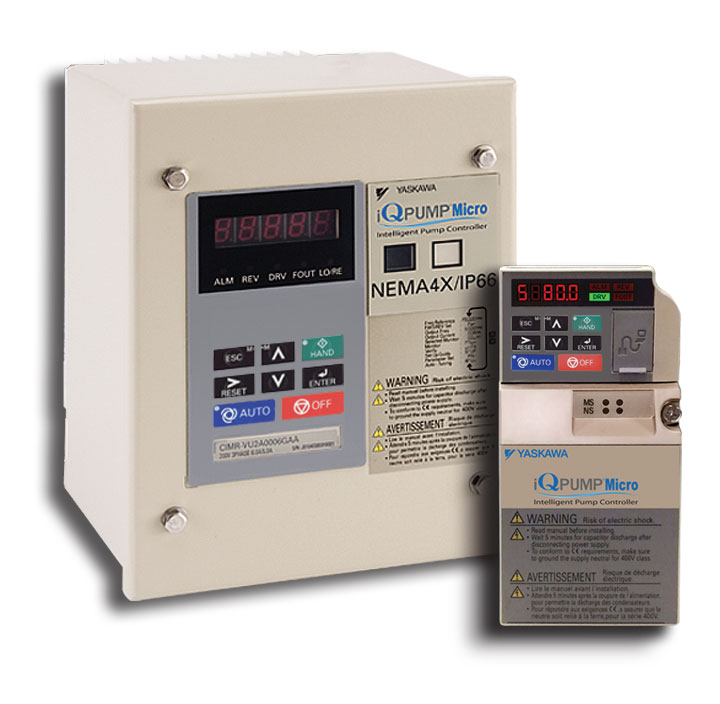
At the core of every regenerative braking system is the drive itself. Regenerative-capable drives—often referred to as regenerative converters or modules—manage the flow of energy between the motor, the drive, and the grid.
These regenerative drives operate bidirectionally: they not only supply energy to the motor during operation but also recover it during braking. Advanced models feature harmonic mitigation, power factor correction, and real-time monitoring, allowing operators to optimize performance while maintaining system stability.
In automated environments where uptime and precision are critical, regenerative drives enhance both productivity and sustainability. They provide faster deceleration, stable torque control, and consistent voltage management—all while reducing overall energy draw.
By integrating regenerative drives into existing automation infrastructure, businesses achieve measurable energy savings and better power quality without compromising output.
Conclusion
Regenerative braking has redefined energy management in automation, converting waste energy into usable power that supports system efficiency and sustainability. By investing in a regenerative braking system, facilities gain greater control over energy flow, improve performance, and lower costs.
For operations seeking more innovative energy recovery solutions, we offer industry-proven Yaskawa technology designed for long-term reliability. At OnDrive Inc., our expertise helps businesses implement high-efficiency regenerative drives that keep modern automation productive, sustainable, and future-ready.