Elevator systems have advanced significantly as buildings grow taller and passenger expectations increase. Early lift systems relied on fixed-speed motors and mechanical braking, which often led to abrupt starts, uneven stops, and increased component wear. Modern elevator technology now focuses on precise speed control, smoother motion, and improved energy management.
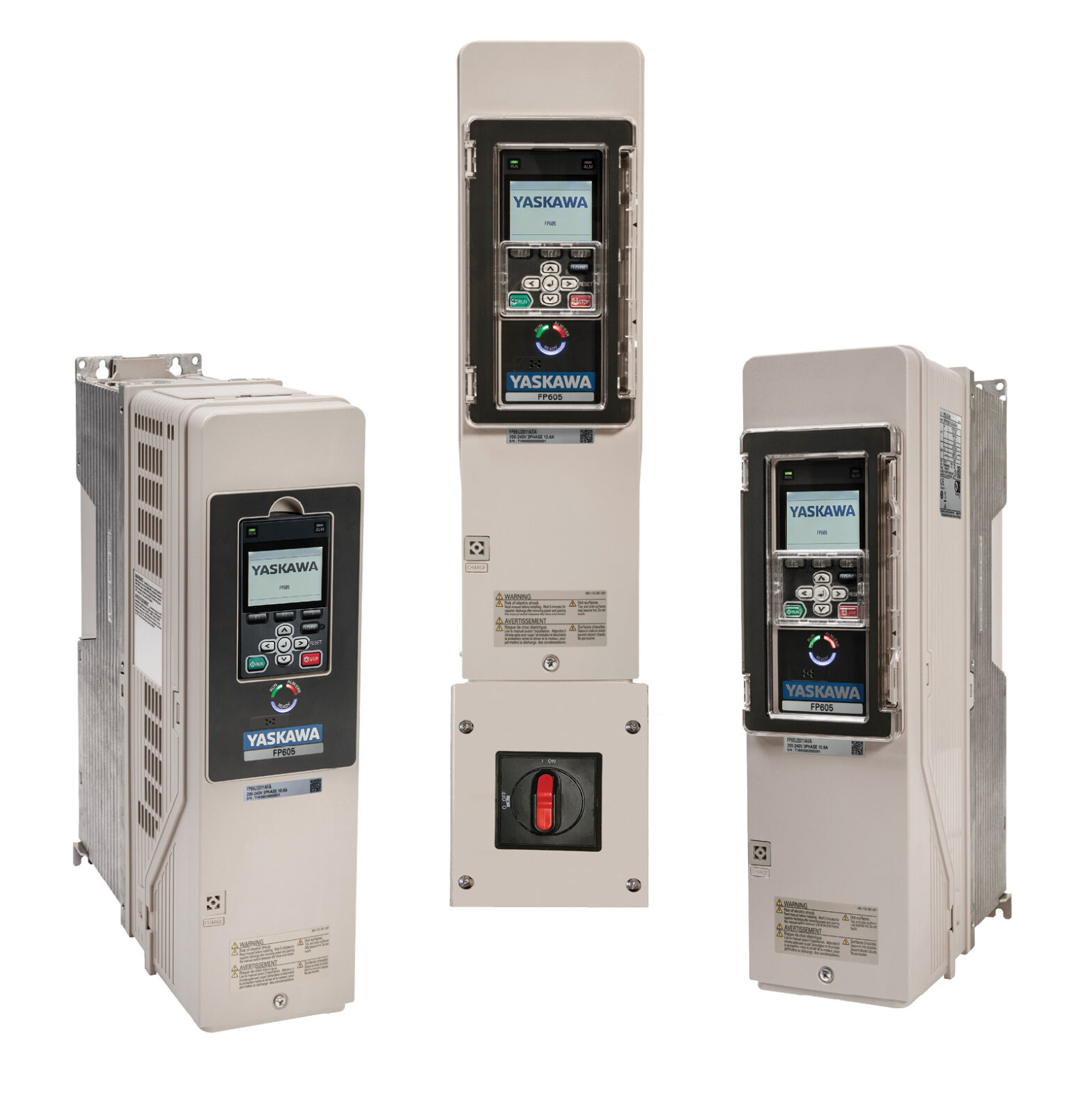
At the center of this evolution are variable frequency drives designed specifically for lift applications. These systems accurately regulate motor speed and torque, allowing elevators to accelerate and decelerate smoothly under varying load conditions.
For facilities specifying modern lift solutions, OnDrive Inc. supplies elevator drive systems engineered for reliable and efficient operation. Learn more about elevator drive motors and how they support smooth elevator movement, which helps building operators and engineers optimize both performance and reliability.
How Elevator Motors and VFD Systems Work Together
An elevator system depends on close coordination between the elevator motor and its control system. The motor provides the mechanical force to move the car and the counterweight, while the drive controls how that force is applied throughout each travel cycle.
A VFD controls the frequency and voltage delivered to the motor, allowing precise speed adjustment. This coordination ensures gradual acceleration at startup, stable travel speed, and controlled deceleration as the elevator approaches a floor. The result is consistent motion that reduces shock loads on cables, gears, and braking systems.
The elevator drive motor must also respond accurately to changing passenger loads. As weight increases or decreases, the drive adjusts torque output to maintain smooth movement. This dynamic response improves ride quality while minimizing mechanical strain on the system.
By integrating motor and drive control, modern elevator systems achieve higher reliability and predictable performance across daily operating cycles.
Benefits for Comfort, Precision, and Energy Use
One of the most noticeable benefits of modern elevator drives is improved passenger comfort. Smooth acceleration and deceleration reduce jerking and vibration, creating a quieter, more refined ride. Precise floor levelling also improves accessibility and safety.
Energy efficiency is another key advantage. By matching motor speed to actual demand, VFD-controlled elevators avoid unnecessary power consumption. During low-traffic periods, the system operates at reduced output, conserving energy without compromising availability.
Controlled speed regulation also reduces heat generation and mechanical wear. Components such as bearings, cables, and braking systems experience less stress, extending service intervals and reducing maintenance costs over time.
Additionally, modern drive systems support advanced monitoring and fault detection. This allows maintenance teams to address issues early, reducing unplanned downtime and supporting consistent elevator availability.
Applications in Residential, Commercial, and High-Rise Lifts
VFD-controlled elevator systems are used across a wide range of building types. In residential buildings, smooth motion and quiet operation enhance occupant comfort while maintaining efficient performance.
Commercial facilities rely on elevators that handle frequent starts and stops and varying passenger loads. Precise drive control supports consistent operation during peak traffic periods without excessive energy use.
High-rise buildings place even greater demands on lift systems. Longer travel distances and higher speeds require drives capable of managing large inertia loads while maintaining stability. Advanced drive systems provide the control and reliability needed for these environments.
Across all applications, selecting the right motor and drive configuration ensures dependable operation and long-term system performance.
Conclusion
Modern elevator systems depend on accurate motor control to deliver safe, smooth, and efficient movement. By regulating speed and torque, advanced drive systems reduce mechanical stress, improve passenger comfort, and support energy-efficient operation.
Whether applied in residential, commercial, or high-rise environments, choosing the right elevator VFD drive helps ensure consistent performance, reliable uptime, and long-term operational stability for today’s vertical transportation systems. For more information, contact us today!